Yoga for Sickle Cell
Bridgette Valentine | JAN 2, 2024
yoga
sicklecell
lowbloodcount
fatigue
stressmanagement
wellbeing
mindfulness
meditation
breathwork
lympnodes
lympathicsystem
blood circulation
affirmations
Yoga for Sickle Cell
Bridgette Valentine | JAN 2, 2024
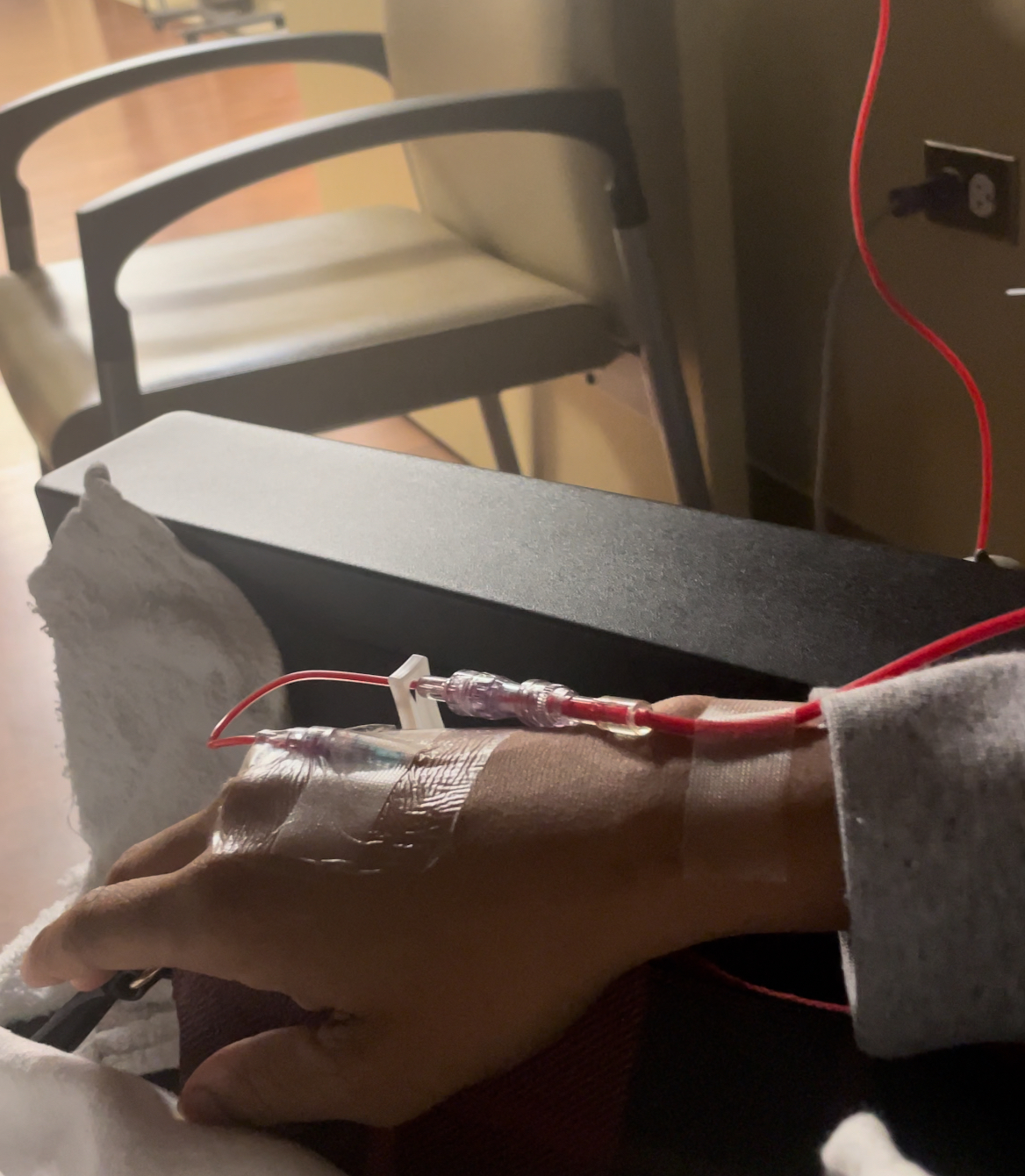
In a nutshell, Sickle Cell is a blood disorder diagnosed at birth. There are 5 types of Sickle Cell diseases, including being a carrier or having the Sickle Cell trait.
We all have red blood cells, but those who inhabit the sickle cell disease also carry blood cells that look like crescent moons and are more rigid, making those cells difficult to flow through blood vessels. Sometimes these sickle cells stick together and block blood flow causing physical symptoms.
In most cases the spleen is removed, leaving the immune system more susceptible to infections/viruses. The hemoglobin (Blood Count) levels range from a low 5.5 to 11; an average person without Sickle Cell ranges from 12-18; therefore, naturally, those who have Sickle Cell lack energy.
Symptoms may include fatigue, dizziness, pain in the joints, back, chest, or all over, and swelling of the hands and feet.
Dehydration from lack of water, extreme temperatures or consuming alcohol
Stress
Typical Viruses such as Colds/Flu
Physical Trauma (A fall, a tussle, Est)
Body Awareness:
When you have body awareness you become more sensitive to important signals within your body. Therefore, you are aware of when you need to rest or begin pain management tactics sooner than later. Also, what you eat can affect your health, so being aware of how you feel after you eat something will help you avoid those foods if it’s causing you pain. Note: Eating a lot of junk food already makes you feel sucky, and can lead to your actual pain crisis.
Breath to Movement:
In yoga you may start off with a breathing exercise, but moreover the breaths you take while in a bend or twist and the breaths in between poses will help you to expand your lungs overtime. This will allow you to naturally breathe deeper outside of yoga, taking in more oxygen, opposed to shallowly breathing.
Stress Management:
Yoga combines movement, breathwork and mindfulness which help regulate the nervous system. In yoga you spend time relaxing and focusing on your breath tapping into mindfulness (The present moment). This lowers adrenaline and cortisol levels, stress hormones. In return, increasing the more feel-good brain chemicals. Practicing yoga overtime can boost your ability to take what you experience on the mat off the mat into your world, embodying a more relaxed mindset.
Blood Circulation:
Moving around in any way helps blood flow, but in yoga there are inverted poses. Inverted poses are when your body or limbs turn upside down. No, not just handstands, but folding over your thighs (Forward Fold), lifting your legs upward (3 Leg Dog) or laying on your back with your legs up high (Legs up the Wall/Pow Pose). Inverted poses help blood physically move around throughout your body where it can become freshly oxygenated.
Supports the Lymphatic System:
The lymphatic system is a part of the immune system that helps cleanse the body of bacteria and unwanted cells; It keeps us healthy. Yoga naturally supports this, folding and compressing at the major joint areas to assist lymph nodes drainage. Essentially when practicing yoga poses you manually pump and detoxify waste out of your body. (That will go into our bloodstream and exit via sweat or bathroom breaks) This helps strengthen the immune system even more.
Encourages Affirmative and Strong Mindset/Perception:
Thinking you are sick can make you feel worse, thinking your pain isn't so bad and will end soon can make you feel better. (Look on the bright side)
Yoga practice can alter your state of consciousness, and even your unconscious Self. Yoga consists of Positive Affirmations, Themes based on Gratitude and Positive Perspective. Essentially, formulating a mind that believes everything is working for you and not against you.
Your mind is a powerful tool. You can make yourself sick thinking you're sick!
Physics, Buddha, The Christian Bible, and many other Groups have concluded to the same point: The Mind is Everything, What you think, you become.
Bridgette Valentine | JAN 2, 2024
Share this blog post
 OfferingTree