Meditation Basics
Bridgette Valentine | JUL 1, 2022
meditation
beginners
yoga
breathing
breathwork
peace
serenity
Meditation Basics
Bridgette Valentine | JUL 1, 2022
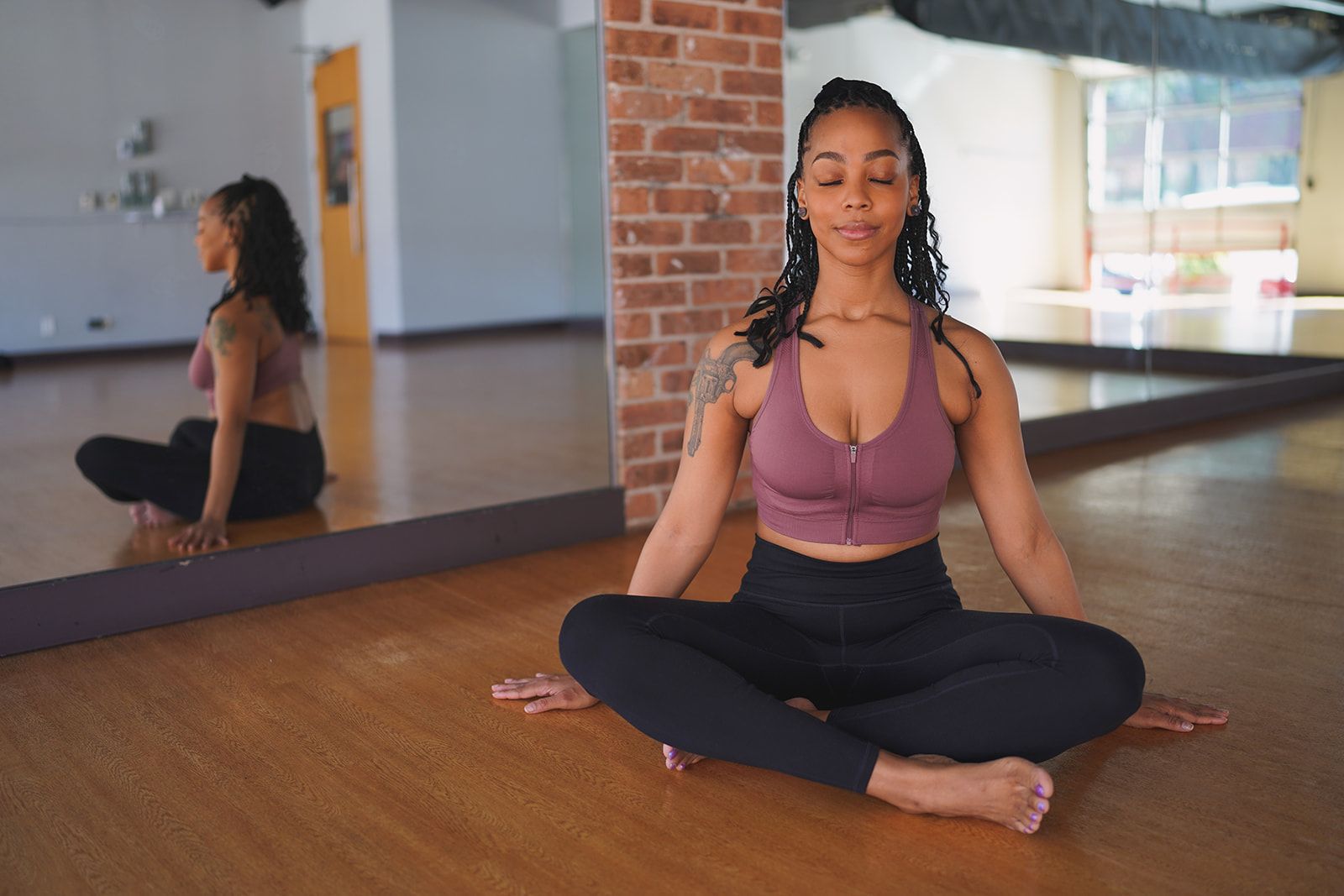
Reaction Vs. Response: Don’t jump the gun!!! Respond to situations based on reality, instead of worries or preconceived notions.
Handle every day's ups and downs with grace!
Practicing meditation regularly can regulate your fight or flight mode which essentially lowers your baseline level of emotional arousal. So when something unpleasant happens or you have worried thoughts, you meet it with your utmost attention, curiosity, and with patience rather than fear or anxiety.
When meditating we want to concentrate on an object or sensation, such as movement of the breath rising and falling within our body. When our minds wander off we would refocus back on what we were concentrating on. This includes, reading, writing, or any other task you do. You will inevitably become distracted again and again by thoughts.
We are programmed to have over 6,000 thoughts per day. So the goal is not to eliminate thoughts, but to prevent our brain from getting caught up in a thought; facilitating stories or assuming another person’s intentions or thoughts. Also going over past or future scenarios. Sounds like daydreaming. No worries, Pieces. Daydreaming is fun and part of manifestation, seeing yourself or others in a good place. However, it becomes disheartening when those thoughts are causing a negative emotion, distress, or anxiety.
There are numerous ways you can meditate and no matter how you do, they all share similar if not the same benefits and techniques.
More Reasons to Meditate
Bridgette Valentine | JUL 1, 2022
Share this blog post
 OfferingTree